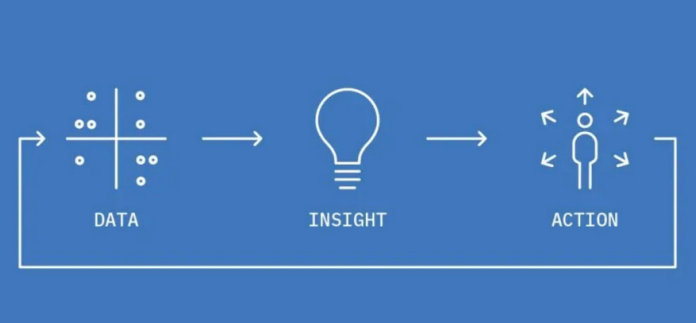
Data-Driven Decision Making
In today’s competitive business environment, data plays a crucial role in driving growth and efficiency. Businesses collect large volumes of data every day, and when used effectively, this data can lead to improved operations, increased profits, and enhanced customer satisfaction.
What is Being Data-Driven?
Being data-driven means making business decisions based on data analysis rather than intuition. With the advancement of technology, even small and medium businesses now have access to tools that enable them to leverage data for better decision-making.
Data-driven businesses use insights from data to guide strategies, improve performance, and achieve organizational goals.
Why Data is Crucial for Small Businesses
Data provides valuable insights into customer behavior, preferences, and needs. This helps businesses:
- Identify their target audience
- Understand customer needs
- Develop targeted marketing strategies
- Improve customer engagement and sales
For example, a retailer can analyze purchase history to identify popular products and optimize inventory and promotions accordingly.
How Data Improves Business Operations
Data can help businesses identify inefficiencies and improve operations. By analyzing sales, inventory, and customer feedback, organizations can:
- Improve operational efficiency
- Reduce bottlenecks
- Enhance customer satisfaction
Businesses can also optimize their supply chain by tracking supplier performance, delivery times, and inventory levels, leading to cost reduction and faster service.
Identifying Growth Opportunities
Data helps businesses identify new opportunities by analyzing trends and customer behavior. This allows them to introduce new products or services aligned with market demand.
For instance, a jewelry store can analyze customer preferences and design products that match current trends, ensuring sustained growth.
Case Study: Hardware Store Success
A small hardware store used data analytics to improve its performance:
- Implemented a POS system to track sales and inventory in real-time
- Identified best-selling and slow-moving products
- Optimized inventory management to avoid stockouts
- Focused on high-margin products to increase profitability
- Used data-driven marketing to target customers effectively
Results Achieved:
- 15% increase in sales
- 25% increase in profitability within one year
Conclusion
Data-driven decision-making empowers businesses to make informed choices, improve efficiency, and drive growth. By leveraging data effectively, even small businesses can compete with larger organizations and achieve long-term success.