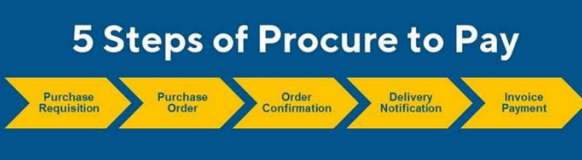
P2P Process and Automation
The Procure-to-Pay (P2P) process refers to the procurement cycle within an organization where goods or services are directly exchanged between businesses without intermediaries. It is a streamlined approach to purchasing that improves efficiency and reduces dependency on traditional supply chains.
What is P2P Process?
P2P is a business process in which an organization directly purchases goods or services from another business. It involves the complete cycle from identifying needs to making payments, ensuring smooth procurement operations.
Steps in P2P Business Process
- Identifying the need
The organization identifies the requirement for a specific product or service. - Requesting quotes
Businesses contact suppliers directly to request quotations or proposals. - Negotiating terms
Terms such as pricing, delivery timelines, and payment conditions are negotiated. - Placing an order
After agreement, the business places an order with the supplier. - Receiving goods or services
The supplier delivers the required goods or services. - Making payment
The organization completes payment, often through digital payment systems.
Automation in P2P
Modern P2P systems leverage automation to streamline procurement processes and reduce manual intervention. Automation enhances speed, accuracy, and overall efficiency.
Benefits of P2P Automation
1. Electronic Procurement
Automates sourcing, quotation requests, and order placement, reducing manual workload.
2. Invoice Automation
Enables digital invoice processing, reducing paperwork and improving accuracy.
3. Supplier Management
Maintains centralized supplier data and tracks performance and compliance.
4. Payment Automation
Facilitates faster and more accurate payment processing through electronic methods.
5. Analytics and Reporting
Provides real-time insights into procurement activities, helping in better decision-making.
Conclusion
Implementing a P2P process with automation allows businesses to reduce costs, minimize errors, and improve operational efficiency. It enables organizations to optimize procurement activities and make data-driven decisions for sustainable growth.