Risk and Control Matrix (RCM)
In today’s business environment, effective risk management is crucial for organizational success. One of the most important tools used for this purpose is the Risk and Control Matrix (RCM).
What is RCM?
A Risk and Control Matrix (RCM) is a structured document used to identify, assess, and manage risks within an organization. It analyzes potential risks associated with business operations and outlines the controls implemented to mitigate those risks.
Understanding RCM
RCM consists of two key components:
1. Risk Assessment
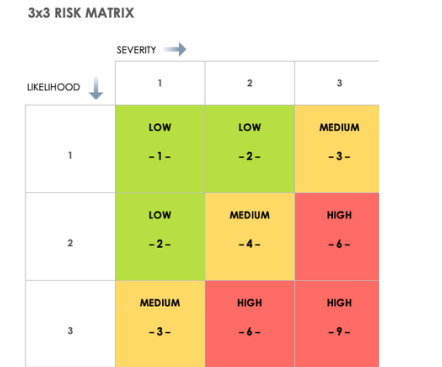
This involves identifying potential risks and evaluating their likelihood and impact. Risks may include financial, operational, or legal risks that could affect business performance.
2. Control Evaluation
This involves identifying controls in place to mitigate risks. Controls may be physical, procedural, or administrative measures designed to prevent errors or fraud.
For example, requiring dual authorization for high-value transactions is a control mechanism to reduce fraud risk.
RCM helps organizations identify gaps in their risk management strategies by comparing risks with existing controls and determining areas where improvements are needed.
Benefits of RCM
- Helps identify and evaluate potential risks
- Enables prioritization of risks based on impact and likelihood
- Assesses the effectiveness of existing controls
- Strengthens overall risk management strategy
- Improves transparency for stakeholders, auditors, and regulators
Importance of RCM in Organizations
RCM plays a vital role in ensuring that organizations operate efficiently while minimizing risks. It supports better decision-making and helps maintain compliance with regulatory requirements.
By implementing RCM, businesses can proactively manage risks, improve internal controls, and enhance operational stability.